
The Rise of AI in UX: How Generative Tools are Changing the Design Process
Explore how AI is transforming UX design, from faster research and wireframing to real-time personalization and automation. Learn how generative tools help teams design smarter, scale faster, and improve user experiences.
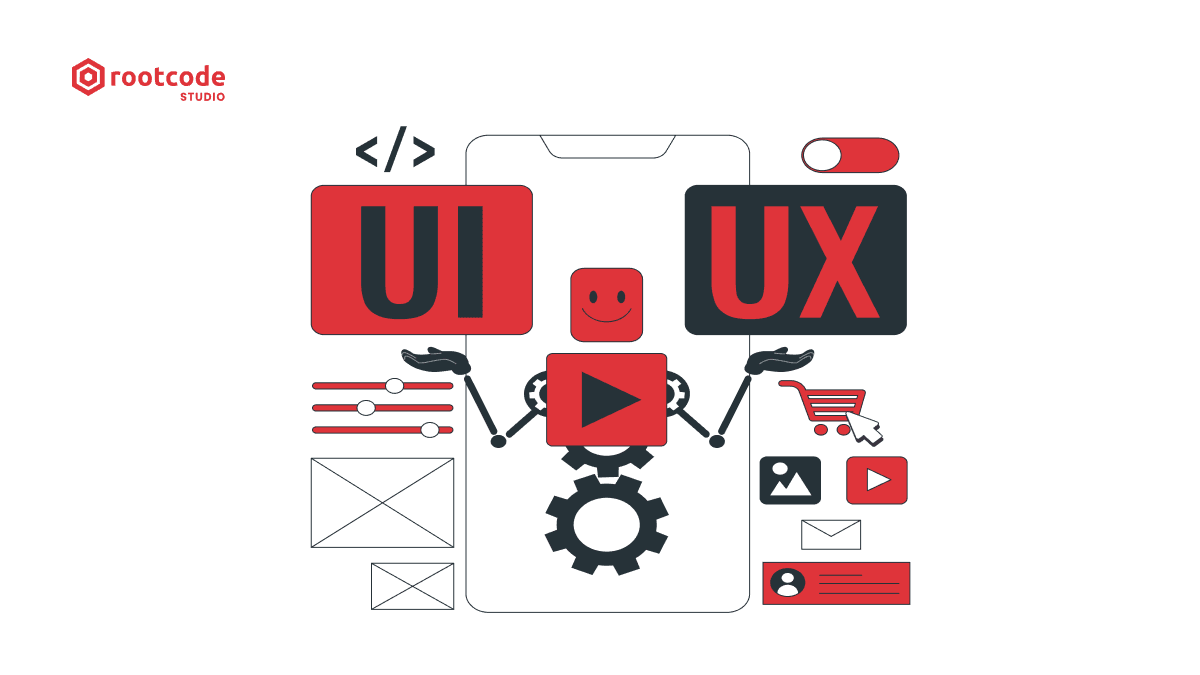
The integration of Artificial Intelligence (AI) into User Experience (UX) design represents a structural shift in how digital products are developed. AI has transitioned from a background tool to a core component of the design lifecycle, changing how engineering and design teams research, ideate, and deliver digital experiences.
Industry data reflects this rapid transition. Currently, 80% of UX researchers use AI in their daily workflows, which marks a 24% increase from the previous year [1]. Furthermore, 52% of product builders state that design strategy is more critical for AI-powered products than for traditional software [2]. By automating repetitive tasks, accelerating data analysis, and enabling real-time interface adaptation, generative AI tools allow teams to execute complex UX strategies with remarkable speed.
Accelerating User Research and Data Synthesis
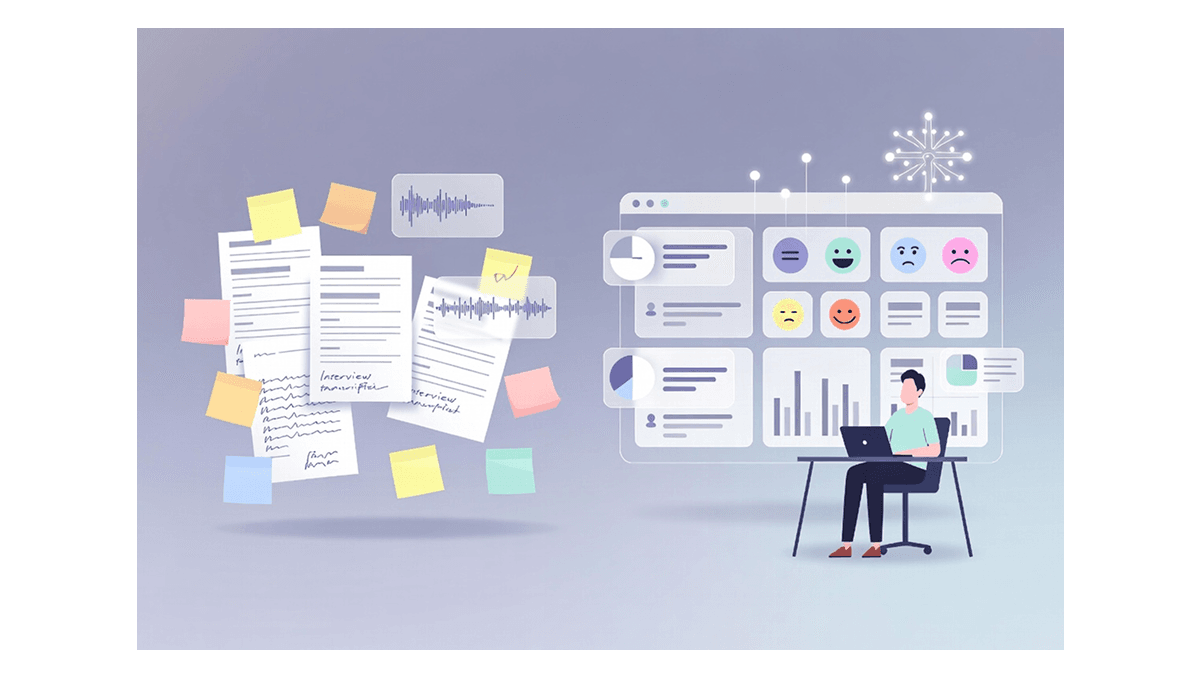
The foundation of effective UX design is qualitative user research. Traditionally, this phase involves manual transcription, coding, and thematic analysis which is a highly time-consuming process often referred to as the "messy middle" of research. Generative AI tools address this bottleneck by using Natural Language Processing (NLP) to rapidly analyze text, audio, and behavioral data.
Platforms such as Marvin, Dovetail, and Userlytics automate the extraction of sentiment, recurring themes, and usability friction points from vast datasets. Instead of a human researcher manually reading every line of a user interview transcript to identify patterns, AI algorithms can process thousands of data points simultaneously to suggest relevant codes and themes. For instance, AI can automatically detect emotional undertones, such as confusion or frustration, allowing teams to prioritize specific usability fixes.
The efficiency gains in this phase are highly measurable. Organizations utilizing AI for qualitative data analysis report cutting research time by up to 50%, accelerating product iterations and reducing the time required to move from data collection to actionable insight [3]. Additionally, emerging platforms like Uxia leverage AI-driven synthetic participants, allowing teams to test concepts and receive automated usability and accessibility feedback in approximately 10 minutes, overcoming the traditional human recruitment bottleneck for early-stage validation.
Transforming Information Architecture and Wireframing
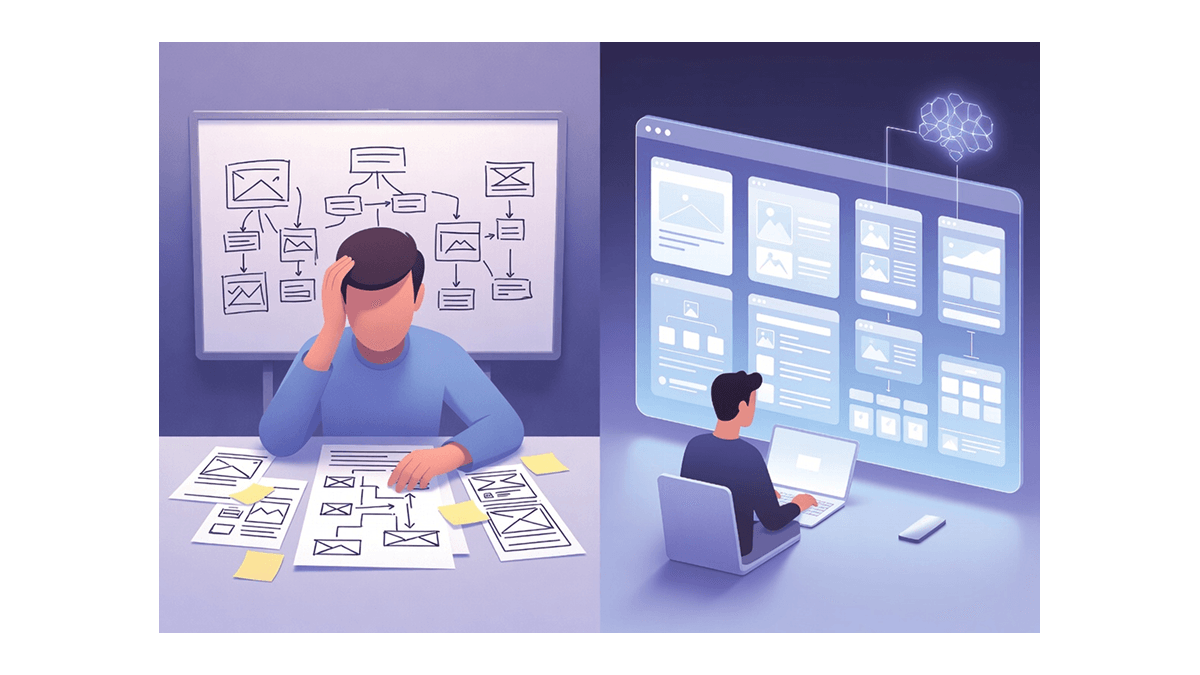
The structural planning phase of web and application design traditionally requires a heavy time investment. Designers typically spend hours or days mapping out user flows, defining page hierarchies, and creating low-fidelity wireframes before visual design begins.
Generative AI tools have introduced "prompt-to-publish" workflows that greatly shorten this timeline. By inputting a text description of the business requirements, target audience, and desired features, designers can generate comprehensive sitemaps and wireframes in minutes.
Relume AI, for example, utilizes a library of over 1,000 pre-built, conversion-optimized components. When provided with a prompt, the AI intelligently selects and combines these proven layouts to assemble structural wireframes complete with contextually relevant placeholder copy. Similarly, tools like Uizard allow designers to transform hand-drawn sketches or screenshots into editable digital wireframes, while Figma's AI features enable the rapid generation of interactive prototypes from simple text descriptions.
This systematic approach yields substantial time savings. For a standard 5-page to 15-page website, manual wireframing traditionally requires 6 to 30 hours of labor. AI-assisted generation reduces this to approximately 1 to 3.5 hours, representing a massive reduction in structural planning time. This rapid prototyping enables engineering and design teams to validate concepts early, iterate frequently, and establish a solid architectural foundation before advancing to high-fidelity development.
Ensuring Design System Consistency and Scalability
Maintaining design consistency across large enterprise applications is a significant challenge. When multiple designers and developers work on a single product, subtle inconsistencies in spacing, typography, and color variables inevitably occur, leading to design-related technical debt. AI is streamlining how companies manage and enforce these design systems.
To function effectively, AI requires machine-readable data, which is achieved through "design tokens" which are variables that store raw values like colors and spacing. When a design system is properly structured with metadata, AI-powered linters and tools can perform real-time audits. Tools like Design Lint automatically scan design files in platforms like Figma, flagging unauthorized colors, incorrect typography, or spacing errors, and suggesting the approved component.
Furthermore, platforms like UXPin Merge bridge the gap between design and development by allowing designers to build prototypes using actual, production-ready React code components. AI assistants within these platforms can generate and refine UI elements that strictly adhere to the company's established design tokens. Implementing AI-driven consistency checks has been shown to reduce design-related technical debt by up to 82%, ensuring that engineering teams receive clean, standardized specifications for implementation [4].
Dynamic Journey Mapping and Hyper-Personalization
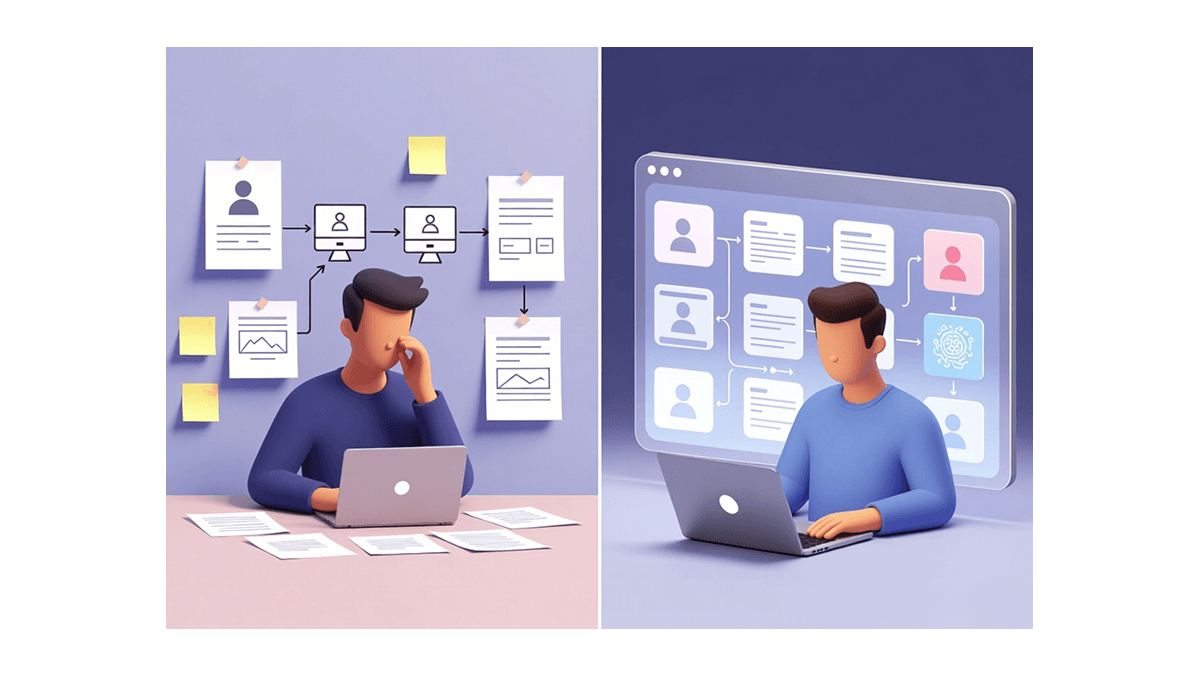
Standard UX design has historically relied on static user journey maps built around generalized user personas. AI-powered systems replace these static artifacts with dynamic ecosystems that adapt interfaces in real time based on actual user behavior.
Modern personalization engines use machine learning and Reinforcement Learning (RL) to analyze behavioral signals, such as click patterns, scroll depth, and session duration. Instead of A/B testing two static variations over several weeks, RL treats every user interaction as a feedback signal. The system continuously adjusts layouts, content prioritization, and navigation shortcuts to maximize engagement and task completion for that specific user.
Enterprise platforms like Dynamic Yield and Insider utilize these predictive models to tailor the user flow to individual intent. For example, if an e-commerce AI detects a user is actively comparing products, it can dynamically streamline the checkout process and highlight relevant incentives.
The return on investment for this level of AI personalization is highly documented. Organizations deploying advanced AI-driven personalization report conversion rate uplifts between 30% and 40% [5]. Furthermore, effective AI personalization can reduce customer acquisition costs by up to 50% while increasing overall revenue by 5% to 15% [6].
Automating Accessibility Compliance
Ensuring strict adherence to accessibility standards, such as the Web Content Accessibility Guidelines (WCAG) and the Americans with Disabilities Act (ADA), is a critical requirement for enterprise software. Traditionally, accessibility testing was a manual, labor-intensive process performed late in the development cycle. AI tools are now embedded directly into designer and developer pipelines to automate compliance checks early on.
Accessibility testing tools, such as Deque's Axe platform, Stark, and accessiBe, utilize AI and computer vision to perform real-time audits. These tools automatically detect color contrast violations, validate typography readability, and simulate how users with vision impairments might perceive the interface. AI is also utilized to automatically generate accurate alt-text descriptions for images via image recognition, eliminating a major manual bottleneck.
By shifting accessibility checks to the earliest stages of design, teams can catch and remediate a high volume of compliance issues before writing production code. While human oversight remains necessary for nuanced accessibility requirements, AI tools can reliably detect and help fix foundational issues at scale.
Recognizing the vital importance of inclusive design, Rootcode offers a dedicated Accessibility Implementation service. They work with organizations to ensure digital products are accessible and compliant for their entire user base. By combining AI-automated accessibility audits with expert human implementation, Rootcode guarantees that digital experiences are universally usable and legally compliant from the ground up.
The Evolution of the UX Professional's Role
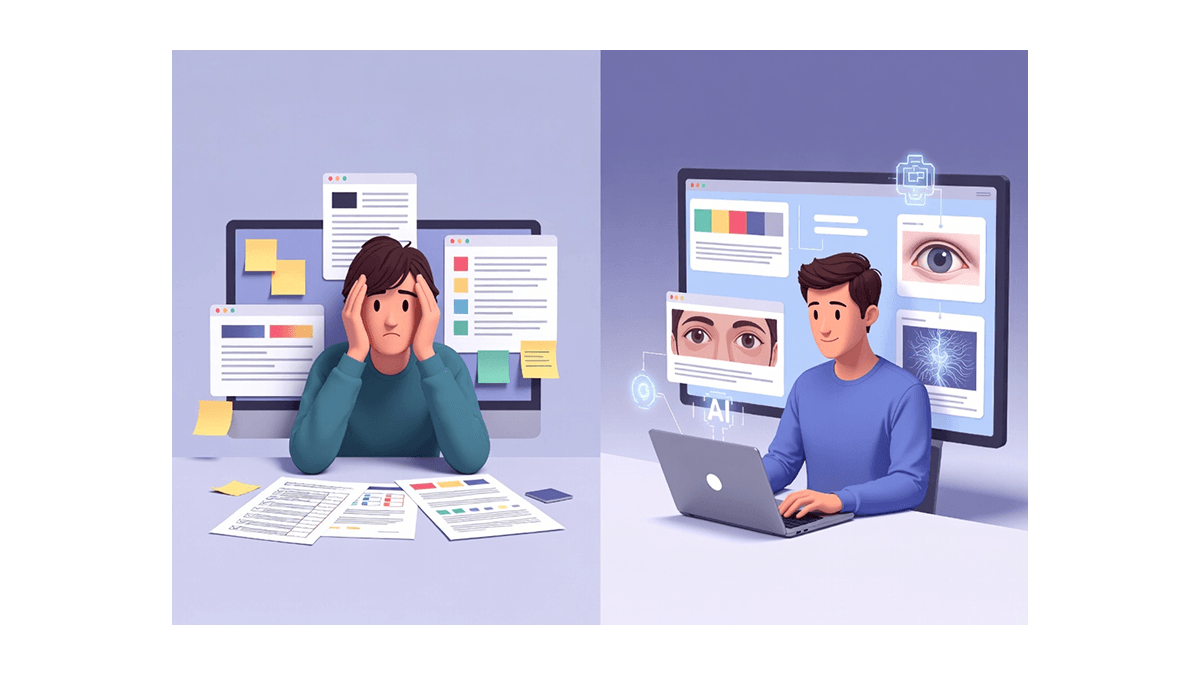
As AI successfully absorbs the repetitive tasks of drafting layouts, synthesizing raw data, and checking compliance, the day-to-day role of the UX professional is undergoing a necessary evolution. The core focus of a designer is migrating away from manual execution and moving toward high-level system architecture, strategy, and "Designing for Intent".
Because AI lowers the barrier to entry for specific technical tasks, it promotes the rise of the "UX Generalist" which is a professional who can confidently execute across user research, interface design, and front-end prototyping using AI co-pilots. Instead of designing rigid, step-by-step screens, designers must now create flexible systems and define the rules, constraints, and logic that guide how an AI should react to different user behaviors.
However, this reliance on technology introduces specific operational risks. AI models operate on probability and statistical patterns; they lack genuine human empathy, cultural context, and the ability to interpret nuanced emotional states. Blind dependence on AI outputs can lead to algorithmic bias, homogenized designs that lack brand differentiation, and interfaces that feel robotic and detached.
Therefore, human oversight remains a mandatory component of the design process. AI acts as an incredibly powerful execution engine, but human designers must provide the strategic context, validate assumptions against real-world user needs, and ensure ethical practices. The value of the UX professional now lies in prompt engineering, critical thinking, and ensuring that the final digital product truly connects with the user on a human level.
Conclusion
The integration of generative AI into UX design is fundamentally optimizing how digital products are architected and built. By automating tedious data analysis, generating structural wireframes in seconds, maintaining code-level design consistency, and deploying predictive personalization at scale, AI successfully removes traditional bottlenecks in the product development lifecycle.
To build high-performing, user-centric software, organizations must treat AI as a powerful collaborative partner rather than a complete replacement for human expertise. The most successful engineering and design teams will be those that utilize AI to achieve unprecedented speed and scale, while strictly applying human strategic oversight to ensure that the resulting digital experiences remain accessible, accurate, and deeply aligned with user needs.
If your organization is looking to integrate advanced Artificial Intelligence into your design processes or build secure, high-performing digital products, Rootcode is equipped to assist. Rootcode partners with startups, enterprises, and governments worldwide to engineer custom AI solutions, design intuitive user experiences, and solve complex technical challenges where failure is not an option. Contact Rootcode today to book a free consultation and discover how expert UX design and secure AI engineering can transform your operational efficiency and business growth.
Share this article:
Räägime sellest, kuidas oma ettevõtet ümber kujundada.



Rootcode EU
Sakala tn 7-2,
Kesklinna linnaosa,
Tallinn,
Harju maakond,
10141, Estonia

Rootcode Sri Lanka
25/M1, 25,
St. Anthony's Mawatha,
Colombo 00300,
Sri Lanka
+94 112 574 572





© 2026 Rootcode. All Rights Reserved